Animals, pets and plants glossary
The terms from our animal, pet and plant pages, defined one by one, with the source wherever the term has an official reference.
7 terms · The definitions are ours; where a term has an official definition, the source is named.
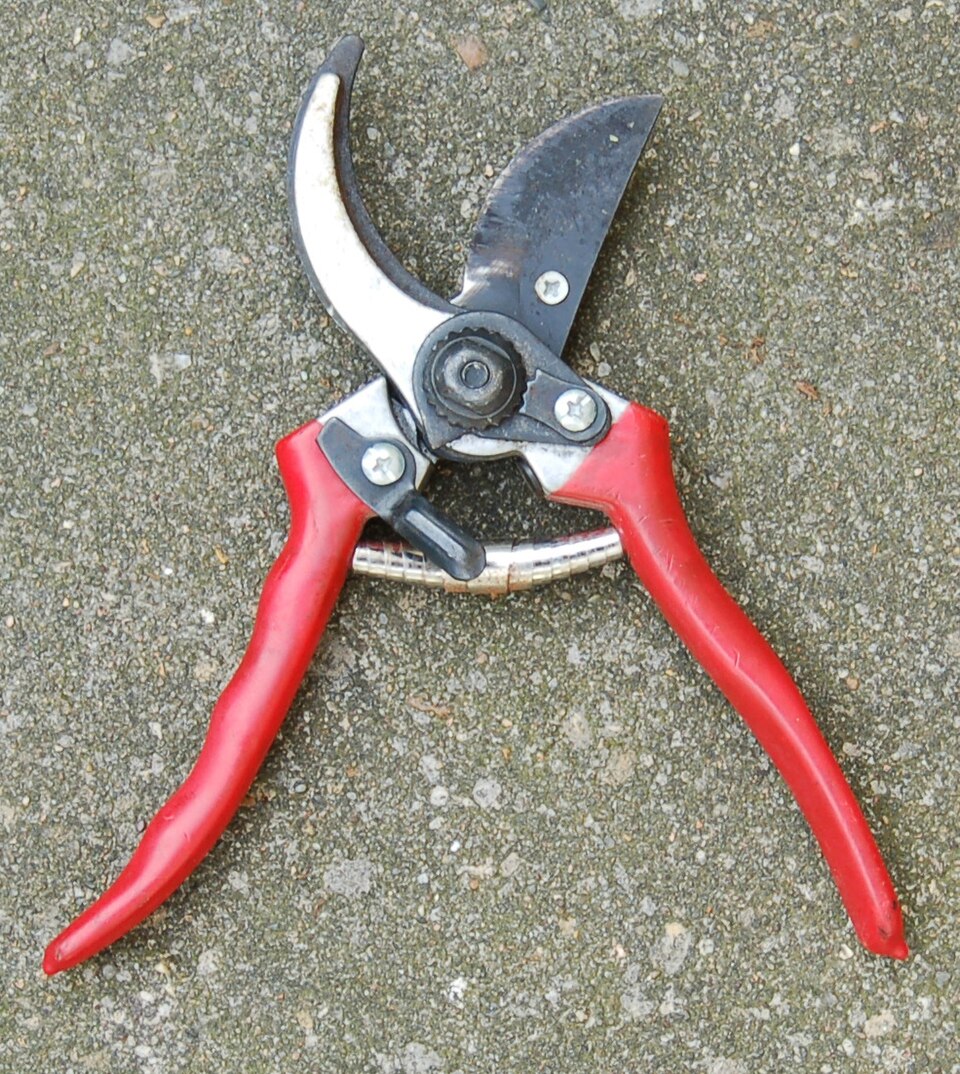
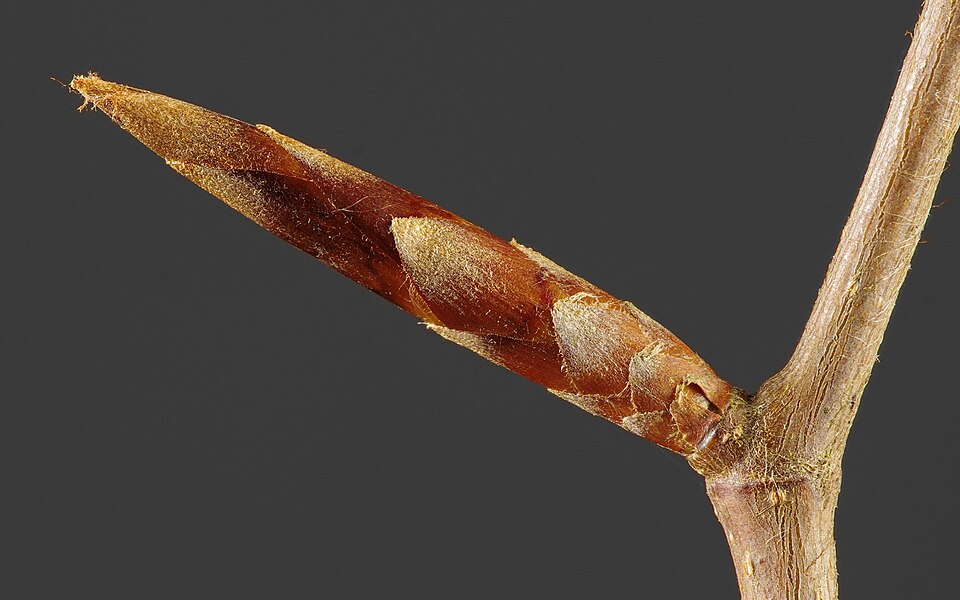
- Formative pruning vs. maintenance pruning
- Dormancy
- Hardiness zone
- Hemisphere
- Life cycle
- Hypoallergenic
- Toxicity
- Formative pruning vs. maintenance pruning
- Formative pruning happens in a plant’s first years and sets the permanent shape of the main branches; maintenance pruning is yearly, removes dead, diseased or crossing branches, and does not change the plant’s architecture. Mixing the two up is the most common reason a fruit tree fails to bear fruit.
- Dormancy
- The period when a plant slows its metabolism and stops visible growth, usually in autumn and winter, to survive cold or drought. Pruning, transplanting or fertilising during dormancy is usually less stressful for the plant than doing it in full growth.
- Hardiness zone
- A numbered band that ranks a region by the average coldest winter temperature it reaches, used to tell whether a plant survives there outdoors. The reference system is the US one (USDA), from zone 1, coldest, to 13, warmest.
- Standard definition by USDA — Agricultural Research Service, Plant Hardiness Zone Map
- Hemisphere
- Half of the globe split by the equator. The seasons flip between the two: when it is winter in the northern hemisphere, it is summer in the southern one, which shifts the pruning, bloom and harvest calendar described on this page.
- Life cycle
- The sequence of stages an organism passes through from birth to death — for an animal, young, adult and senior; for a plant, germination, growth, flowering and, in annuals, death after setting seed.
- Hypoallergenic
- A term used for breeds that shed less allergen into the environment, usually because they shed less fur. No dog or cat breed is fully allergen-free: a cat’s main allergen comes from saliva and skin, not only fur, and a very sensitive person can react to any breed.
- Standard definition by American Kennel Club
- Toxicity
- A plant’s or substance’s capacity to harm an organism, which varies with the species exposed, the amount ingested and the animal’s size. A plant "toxic to dogs" is not necessarily toxic to humans at the same dose, and the reverse holds too.
- Standard definition by ASPCA — Animal Poison Control Center